Information

In an ideal world, we wouldn’t need any supplements, our food would supply us with all the vitamins and minerals we need.

A balanced diet is needed to ensure that the body receives adequate amount of nutrients
Importance of Water
24 Mar, 2020

Water is an essential nutrient and plays a key role in the human body. We can survive up to several weeks without food, but only a few days without water.

Vitamins and minerals are essential nutrients because they perform hundreds of roles in the body.

Although they are all considered micronutrients, vitamins and minerals differ in basic ways.
Why Do You Need Supplements?

In an ideal world, we wouldn’t need any supplements, our food would supply us with all the vitamins and minerals we need. But we don’t live in an ideal world, do we? Given the kind of food we eat (which is mostly adulterated) and the amount of stress we have in our daily lives, we need supplements for optimum functioning. The most important things we need to know include the following
- Basic Needs for Living Things
- Balanced Diet
- The Importance of Water
- The Importance of Vitamin and Mineral
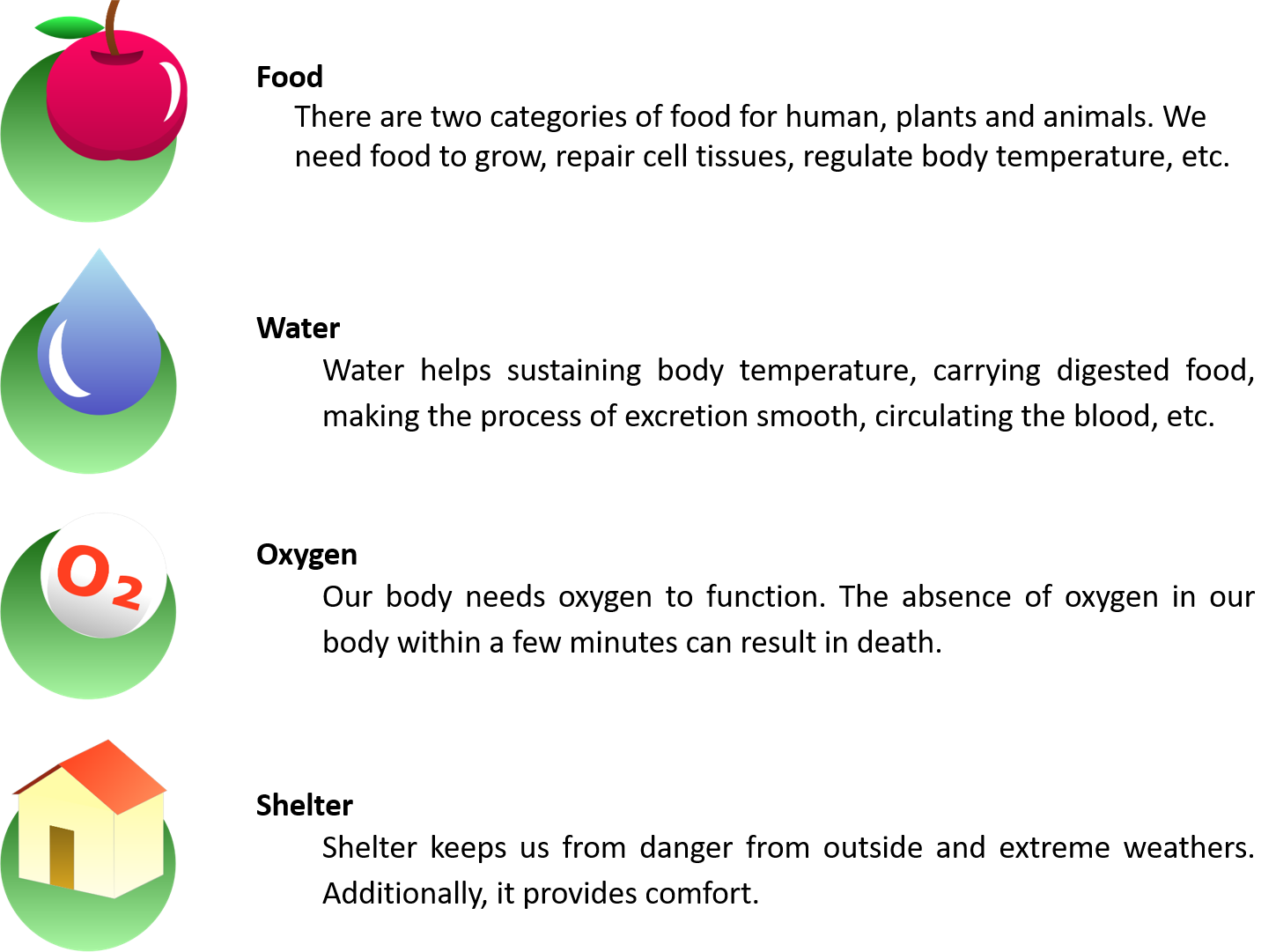
Basic Needs for Living Things

Balanced Diet

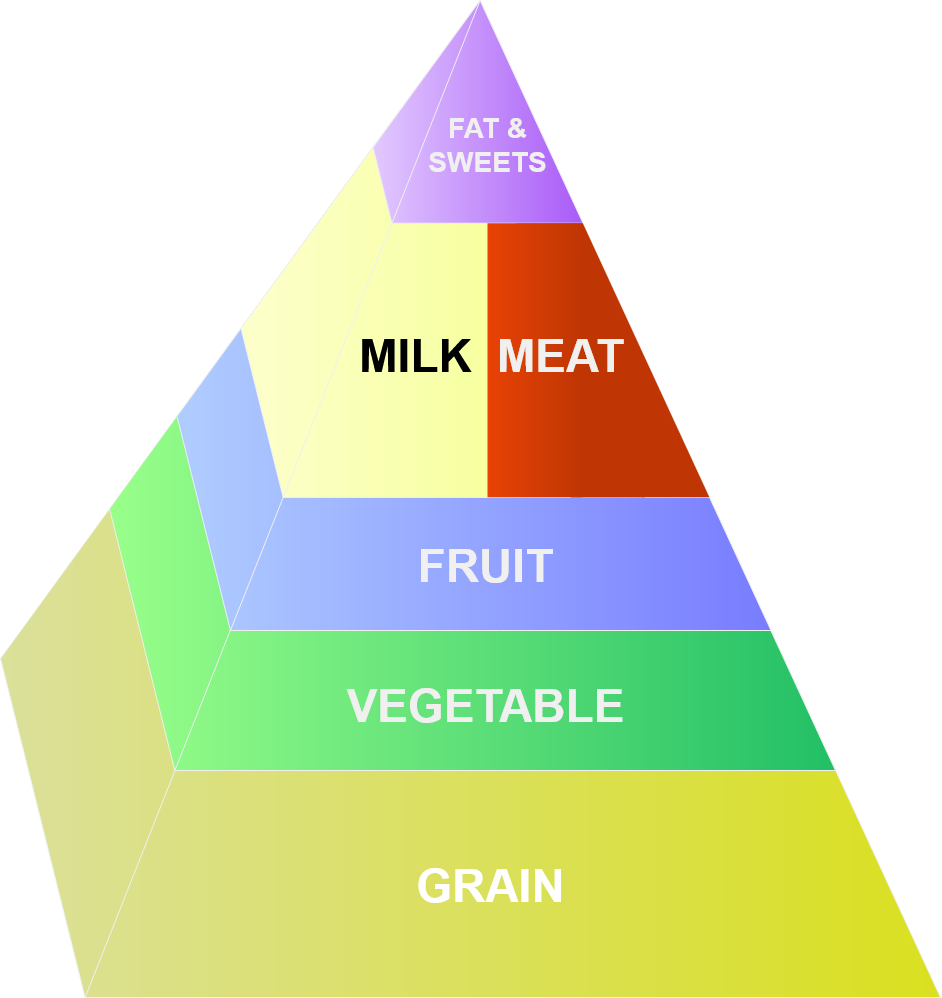
It is essential to obtain necessary nutrients with the right amount to follow a healthy lifestyle. Therefore, a balanced diet is needed to ensure that the body receives adequate amount of nutrients. An easy way to gain a balanced diet is by following the concept of Food Pyramid, where each category of food such as carbohydrate, protein, and fat is divided into ratios of food intake of a person.
A healthy body requires healthy organs. For organs to be healthy, they need various balanced nutrition so that they can perform their task without problems.
Importance of Water


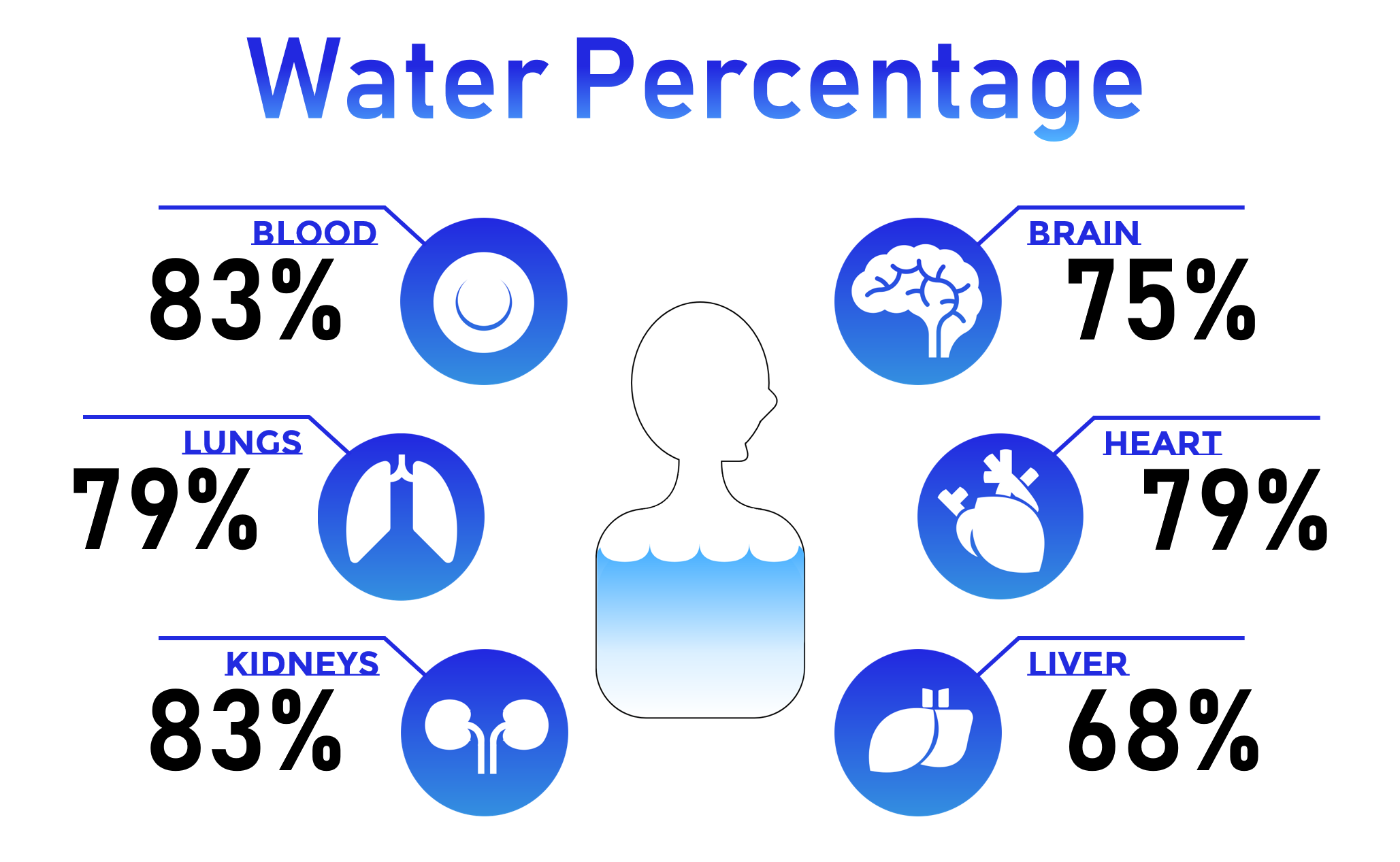
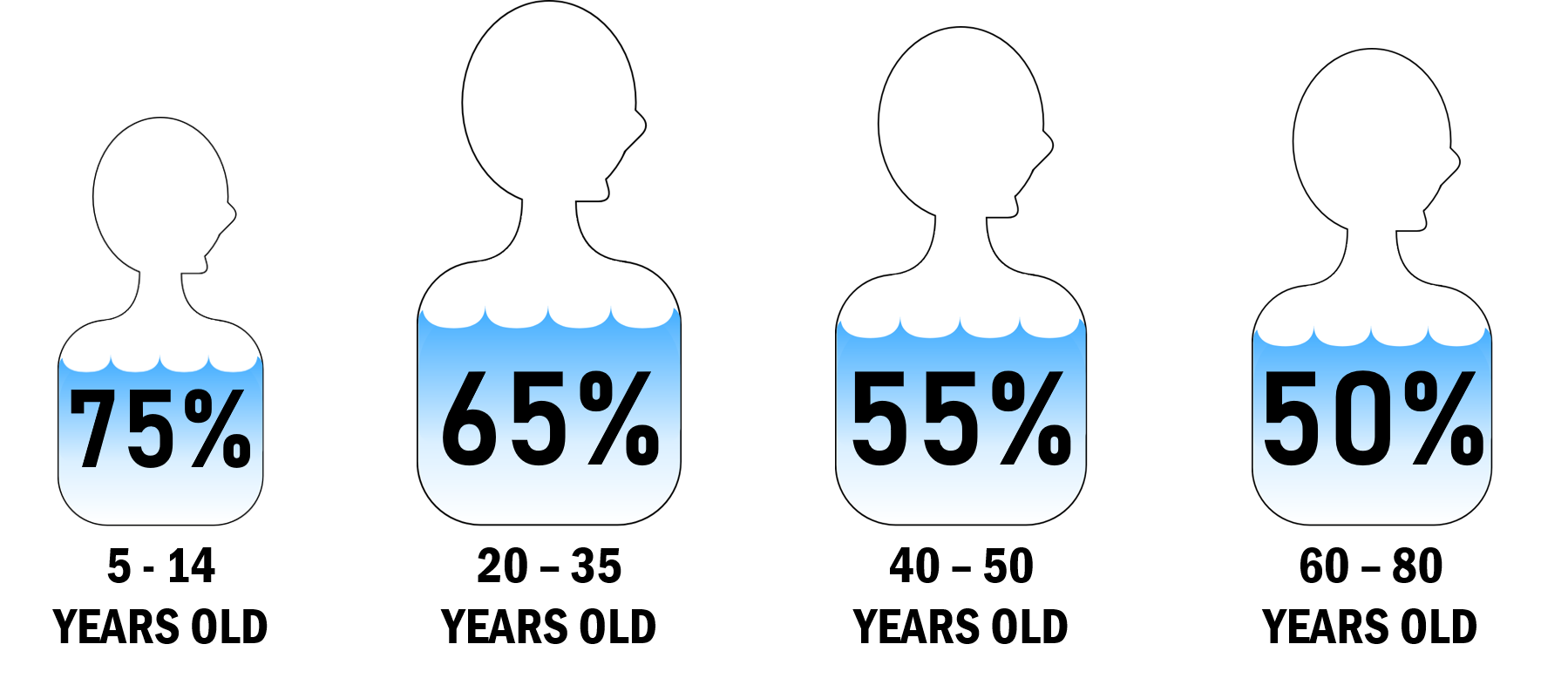
Water is an essential nutrient and plays a key role in the human body. We can survive up to several weeks without food, but only a few days without water. Every system in the body, from cells and tissues, to vital organs requires water to function.
The human body cannot store water. Every day we are constantly losing water though breathing, sweating and through the release of urine and faeces.
Vitamin & Minerals

Are You Getting What You Need?
Vitamins and minerals are essential nutrients because they perform hundreds of roles in the body. There is a fine line between getting enough of these nutrients (which is healthy) and getting too much (which can end up harming you). Eating a healthy diet remains the best way to get sufficient amounts of the vitamins and minerals you need.
Micronutrients with a big role in the body
Vitamins and minerals are often called micronutrients because your body needs only tiny amounts of them. Yet failing to get even those small quantities virtually guarantees disease.
Just as a lack of key micronutrients can cause substantial harm to your body, getting sufficient quantities can provide a substantial.
Essential nutrients for your body
Every day, your body produces skin, muscle, and bone. It churns out rich red blood that carries nutrients and oxygen to remote outposts, and it sends nerve signals skipping along thousands of miles of brain and body pathways. It also formulates chemical messengers that shuttle from one organ to another, issuing the instructions that help sustain your life.
But to do all this, your body requires some raw materials. These include at least 30 vitamins, minerals, and dietary components that your body needs but cannot manufacture on its own in sufficient amounts.
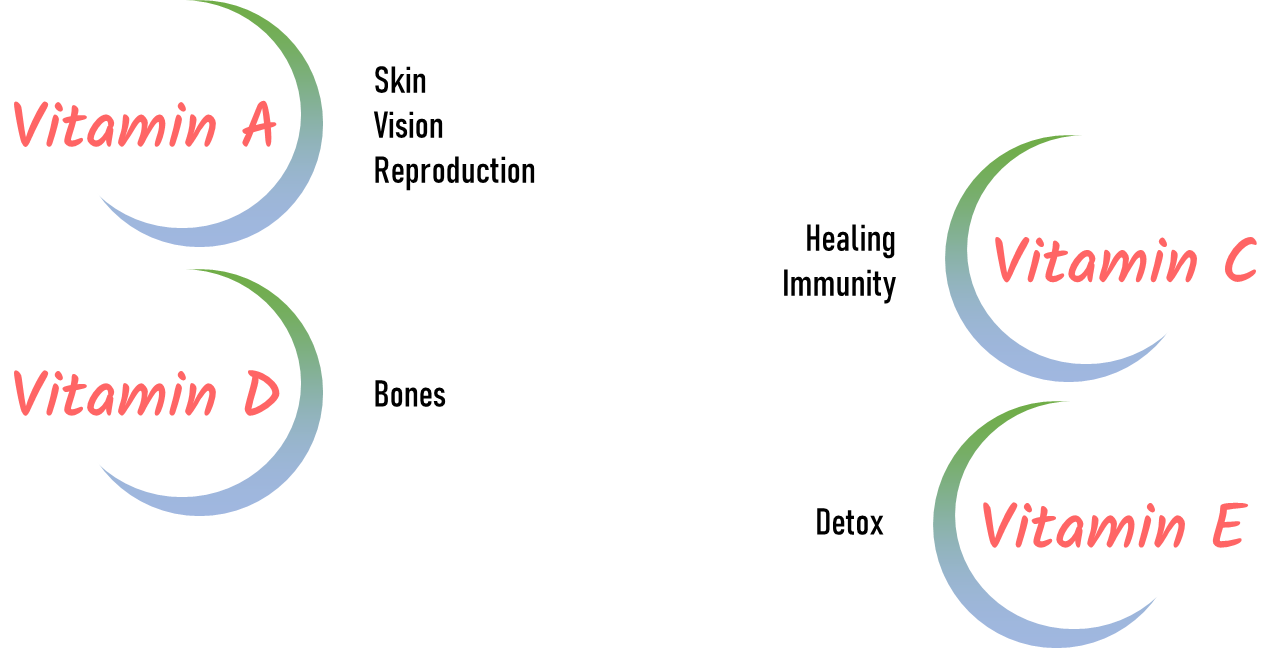
Vitamins and minerals are considered essential nutrients—because acting in concert, they perform hundreds of roles in the body. They help shore up bones, heal wounds, and bolster your immune system. They also convert food into energy, and repair cellular damage.

Mineral
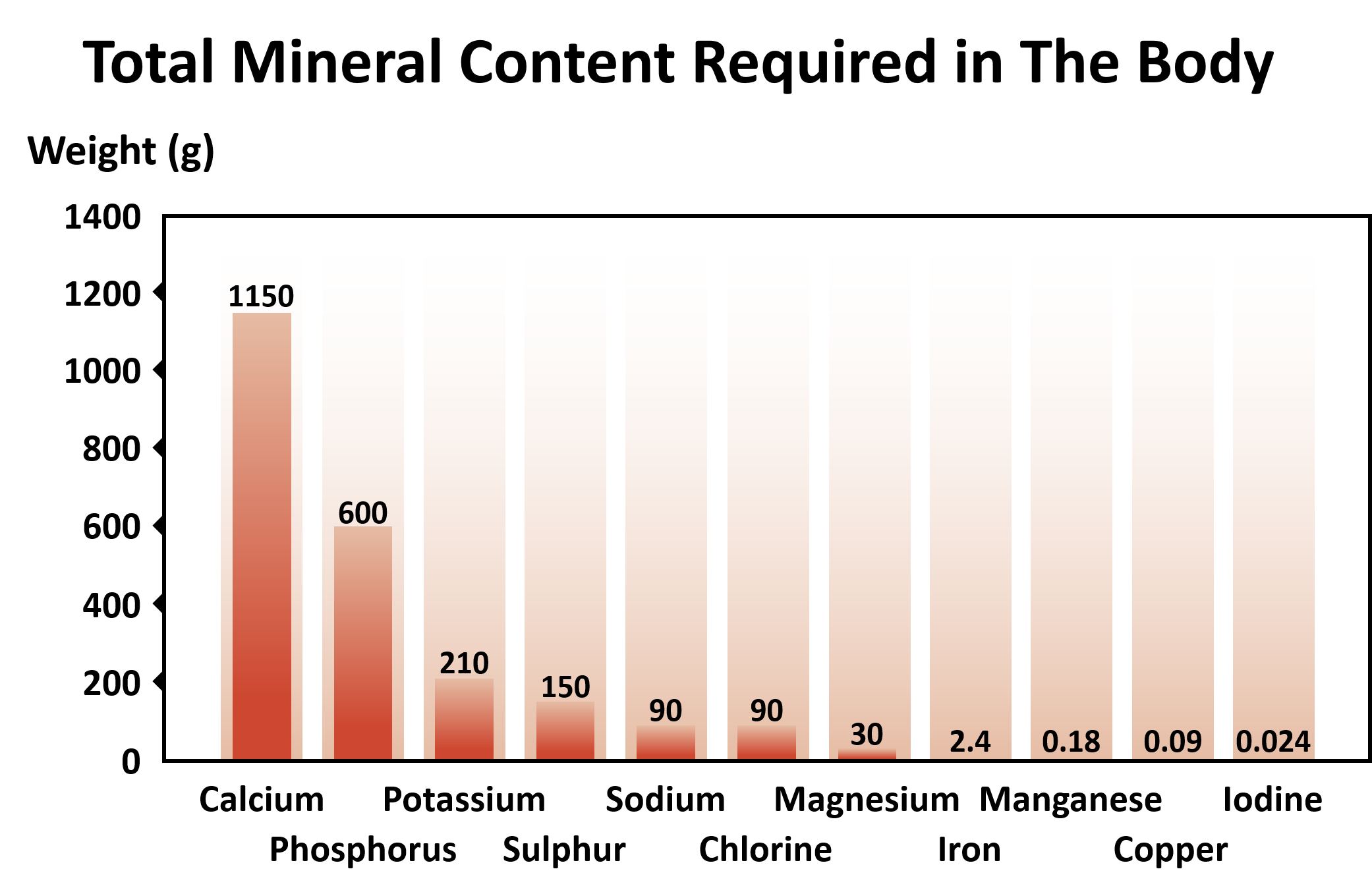
Some minerals, known as macro-minerals, such as calcium, magnesium and potassium are required in larger amounts. Other minerals, known as micro-minerals or trace elements, such as chromium, copper, iron, manganese and zinc, are only required in small or tiny amounts.

The difference between vitamins and minerals

Although they are all considered micronutrients, vitamins and minerals differ in basic ways. Vitamins are organic and can be broken down by heat, air, or acid. Minerals are inorganic and hold on to their chemical structure.
A closer look at water-soluble vitamins
Water-soluble vitamins are packed into the watery portions of the foods you eat. They are absorbed directly into the bloodstream as food is broken down during digestion.
Because much of your body consists of water, many of the water-soluble vitamins circulate easily in your body. Your kidneys continuously regulate levels of water-soluble vitamins, shunting excesses out of the body in your urine.
A closer look at antioxidants
Antioxidant is a catchall term for any compound that can counteract unstable molecules such as free radicals that damage DNA, cell membranes, and other parts of cells.
Your body cells naturally produce plenty of antioxidants to put on patrol. The foods you eat—and, perhaps, some of the supplements you take—are another source of antioxidant compounds. Carotenoids and flavonoids are antioxidants. The vitamins C and E and the mineral selenium also have antioxidant properties.